Tamales and Total Strangers: A Sunday in HI Richmond’s Global Kitchen
It's the beginning of May and I've waited until the last minute to book lodging for a trip to Richmond, VA. As a freelancer paying out of pocket to attend a conference, I have decided to gamify keeping my expenses low. It takes the sting out of being aggressively frugal. Still, I surprise even myself when I hit “book” on a bed in a hostel. The price is easily less than half the going rate of even the cheapest hotel in the area and the hostel’s online presence reflects a certain verve that appeals to the savvy, young, and worldly—eclectic, but elevated, industrial but warm. It boasts all the charm and amenities of a boutique hotel; it’s only the bunk beds in their communal rooms that truly give it away.
This helps my decision feel less peculiar when I explain to my concerned partner that I’ll be staying at a hostel for the weekend.
My memories of hostel stays are fuzzy. They occurred in a world that felt simultaneously more vast but less complex than the one I occupy now. I look back on my stays in European hostels as an exchange student the way one might look back on summer camp: the bunk beds, the communal breakfasts, the kinds of brief encounters turned instant friendships endemic to being young and feeling immortal far from life as you’ve always known it. Approaching my 30s, and knowing that the romance of being almost 20 in Paris or Amsterdam or Dublin can easily override a host of pugnacious miseries, I try to quell the quiet but not unfounded concern that hostel living won't live up to an older, wiser, and categorically pickier adult reality.
I confirm the reservation anyway and find that my fears are, thankfully, unwarranted. Not only is the space clean, comfortable, and remarkably quiet, but an old friend from my study abroad days is the hostel manager and is flying back from a trip just as I am checking in. He insists that we should crawl a few bars that evening, for old times’ sake at the very least. Typically a private person, I marvel at the version of me who, though exhausted from the day’s seminars, eagerly agrees. There is, it would seem, a certain connective magic about hostels.
As we sit in the courtyard of the last bar on our agenda, my generous host and his friend (another staff member at the hostel) inform me that I've picked an ideal weekend to book a visit. Tomorrow is the hostel's monthly Cooking as a Second Language event, and I really should be there, they tell me, if I can make the time. Partly out of polite obligation (they did just treat me to several rounds of drinks) and partly out of curiosity, I agree that I’ll be there and ask if I can document the event.
Cooking as a Second Language is a monthly recurring affair at HI Richmond that attracts not only travelers, but also an impressive smattering of other locals recruited from clubs and organizations around Richmond via the support of the Richmond Public Library. Facilitated by the HI Richmond staff and led by a rotating roster of cooks from a variety of culinary heritages, Cooking as a Second Language takes over the impressively commercial kitchen of HI Richmond Hostel on the first Sunday of each month.
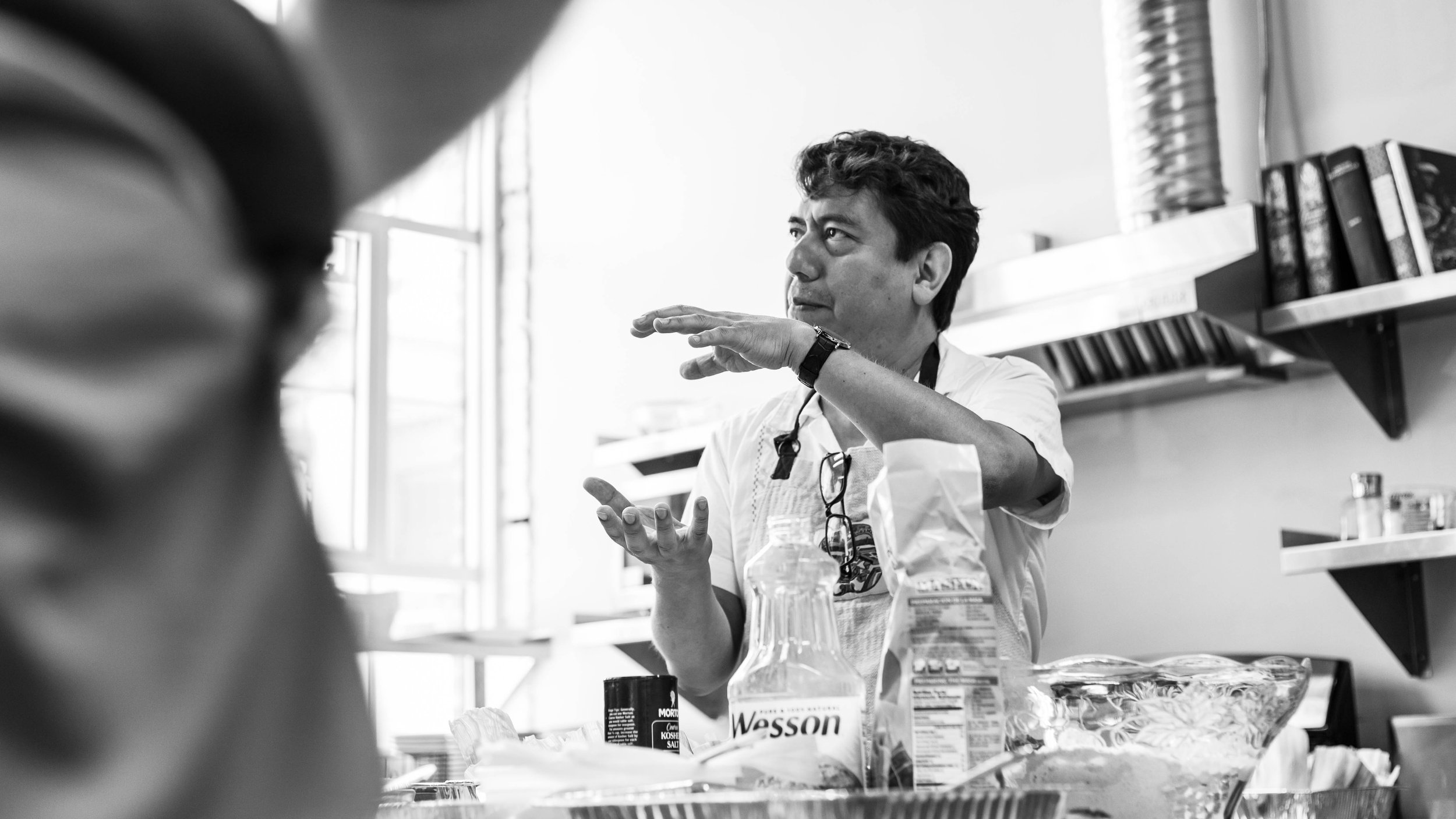
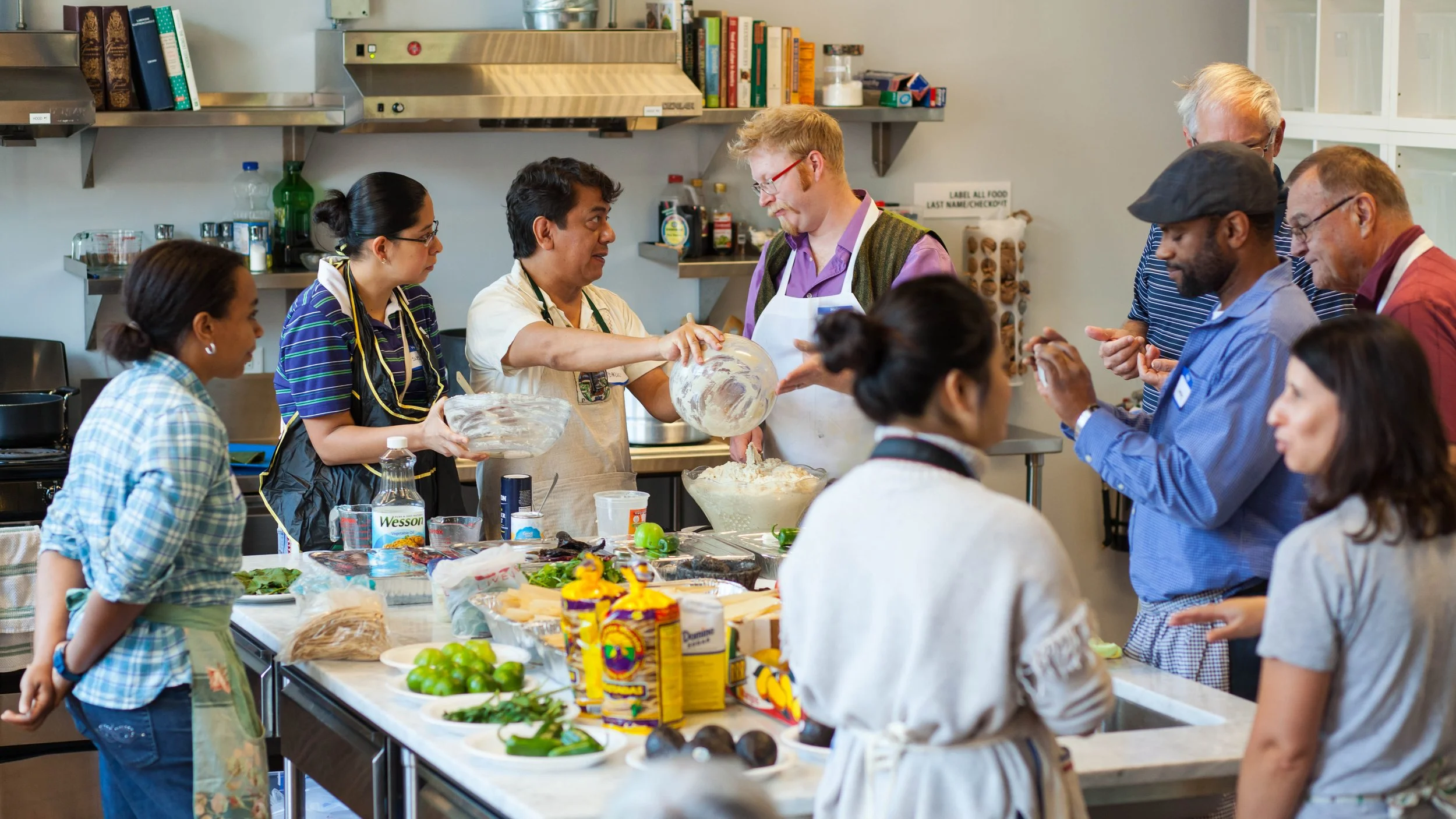
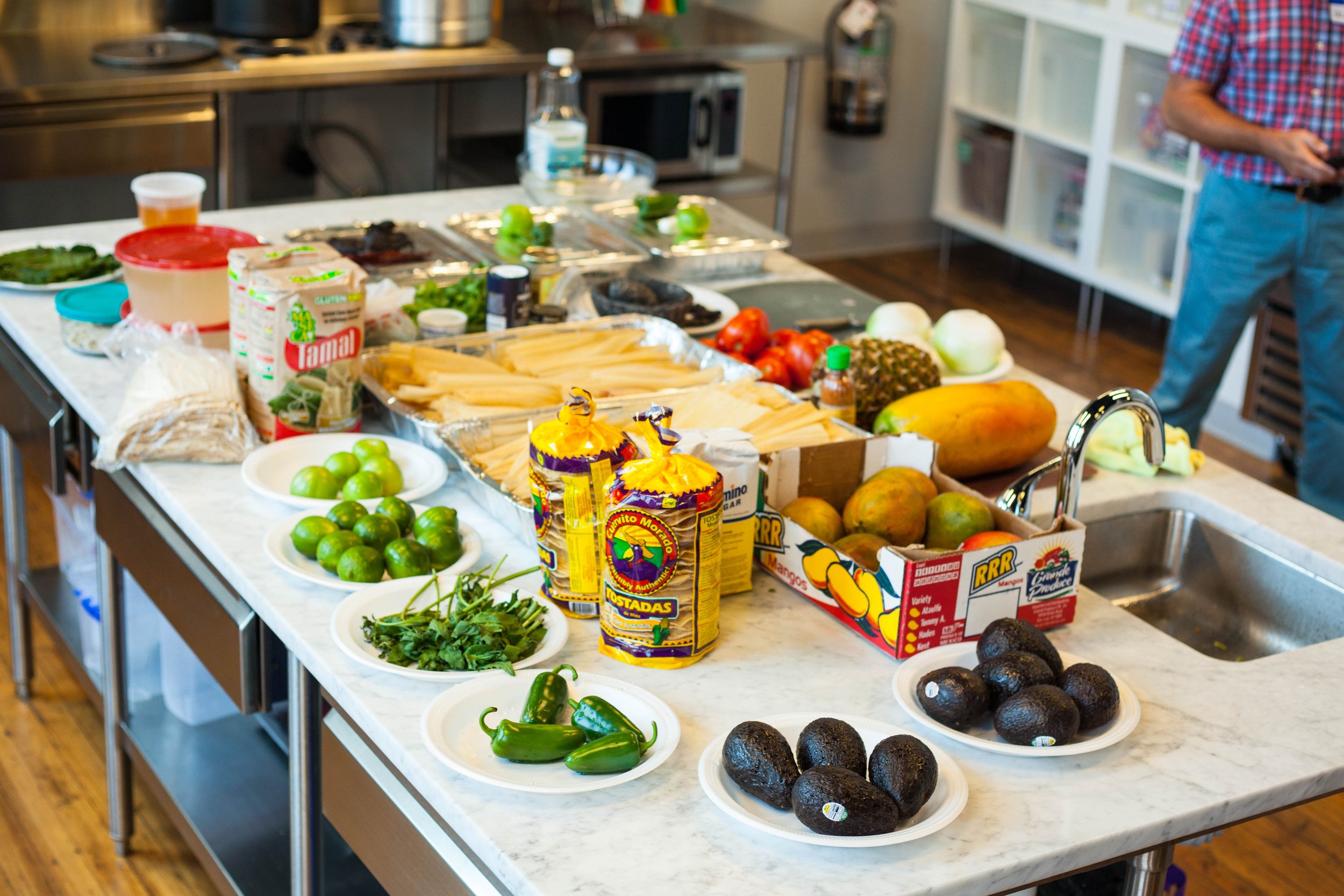
Sunday afternoon arrives, and we file into the kitchen to stand in a circle around a stainless steel island nearly overflowing with colorful ingredients. This month's cuisine is Mexican and we are learning the finer points of preparing tamales from a family of Mexican immigrants, now local to the Richmond area. Our main instructor, Francisco, tells us quietly and passionately about how from a young age, his mother’s culinary skill fascinated him. His muted storytelling draws us in; though his voice is low, his posture is electric. When he speaks of the culinary arts, we feel his joy, but also the deep ardor that buoys it.
His interest in cooking long went unrewarded. The culture of his childhood in Mexico insisted that the kitchen was no place for a boy, much less a man. It took persistence, patience, and finally some bargaining for his mother to let him practice what was then considered a womanly art. Francisco tells us that he is glad that now it isn't seen as strange or detractive for a man to enjoy preparing food for his family; he loves to cook.
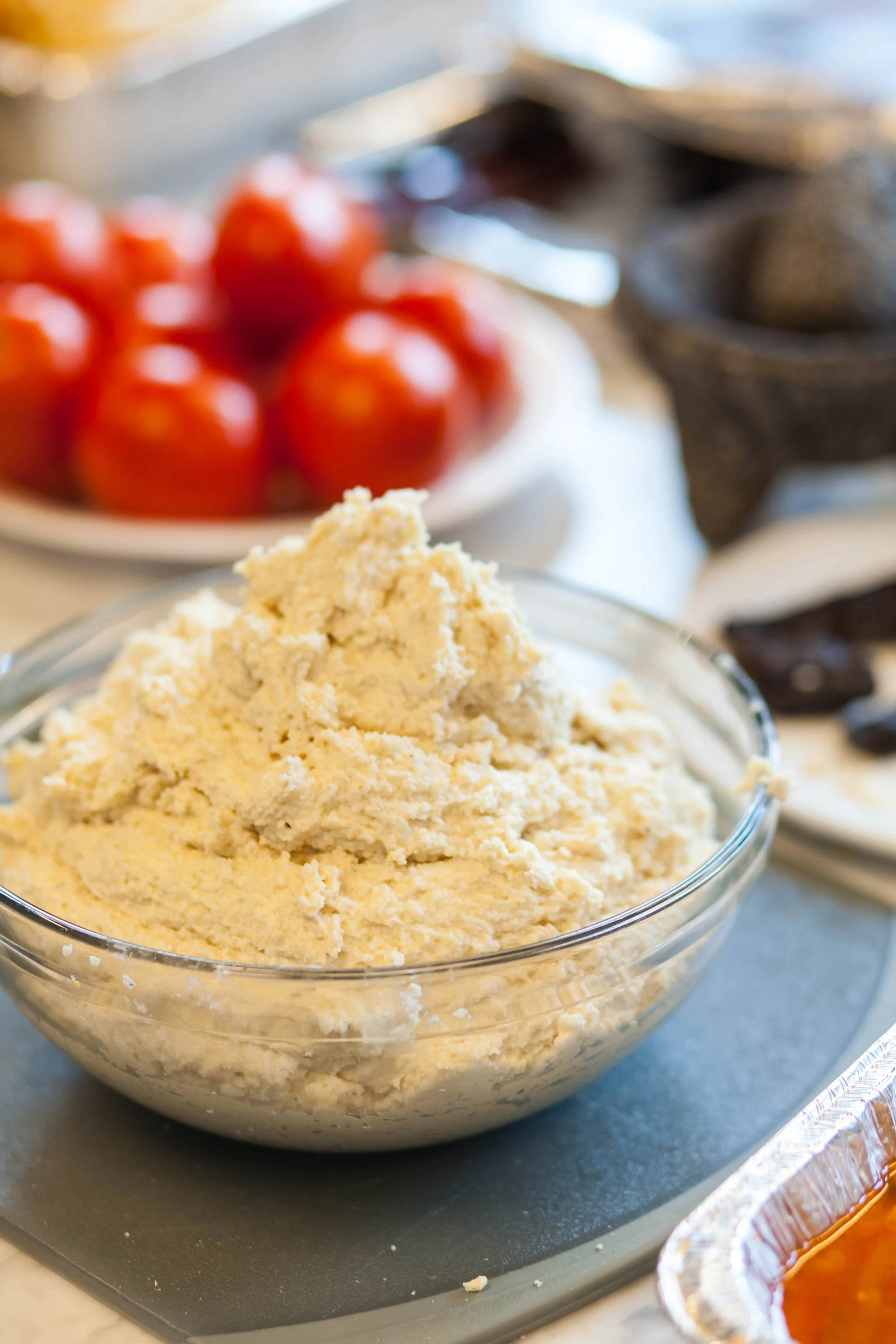
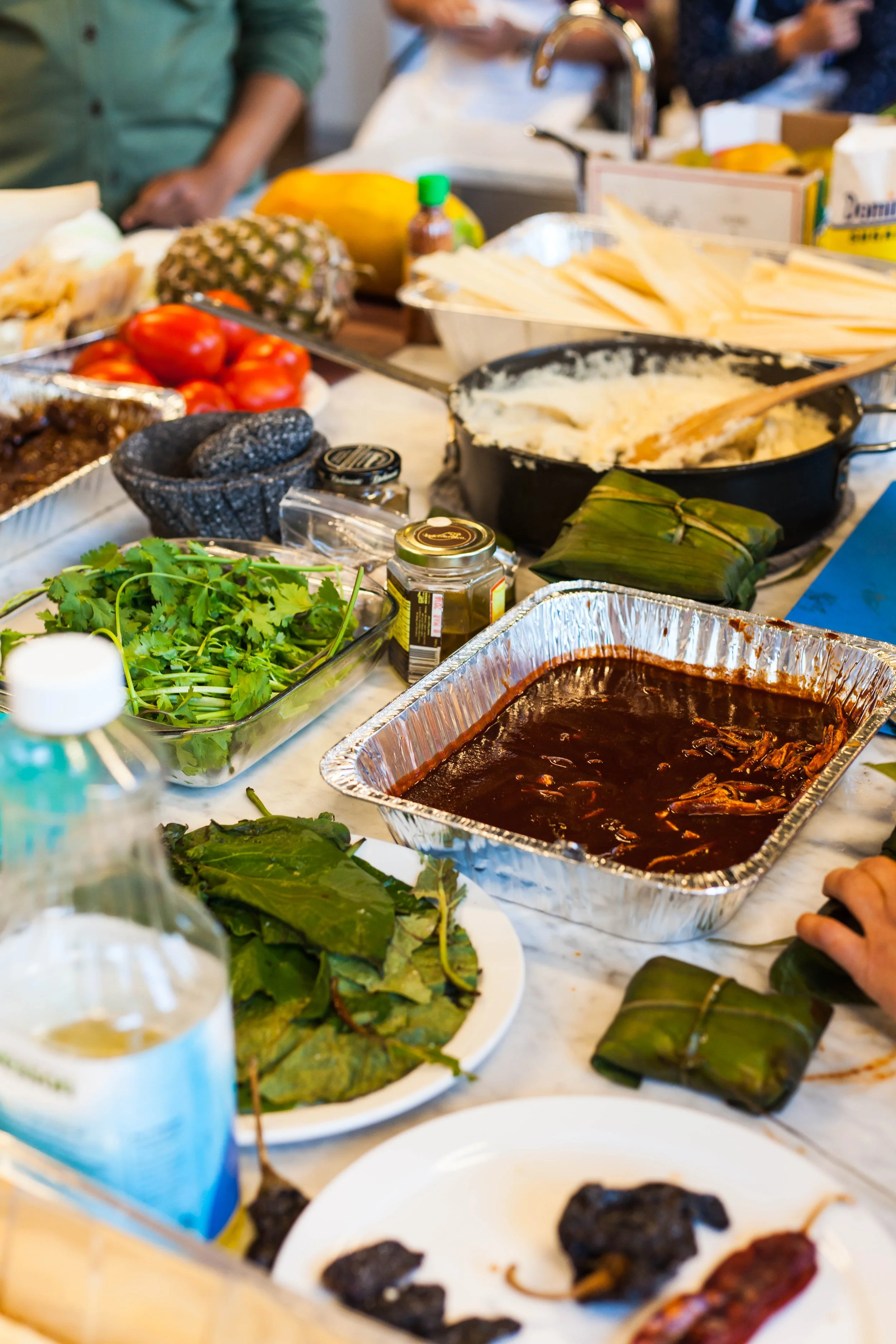
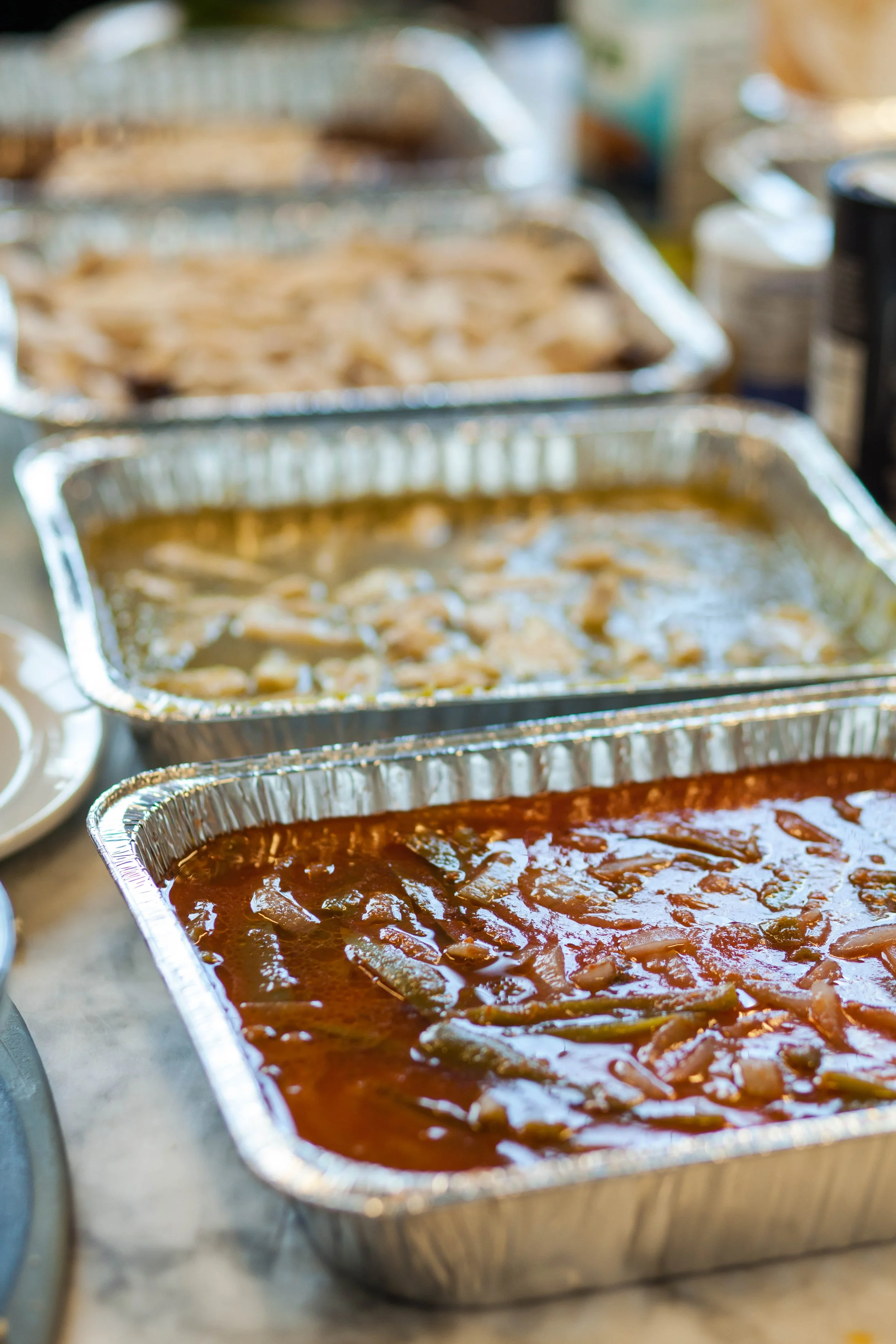
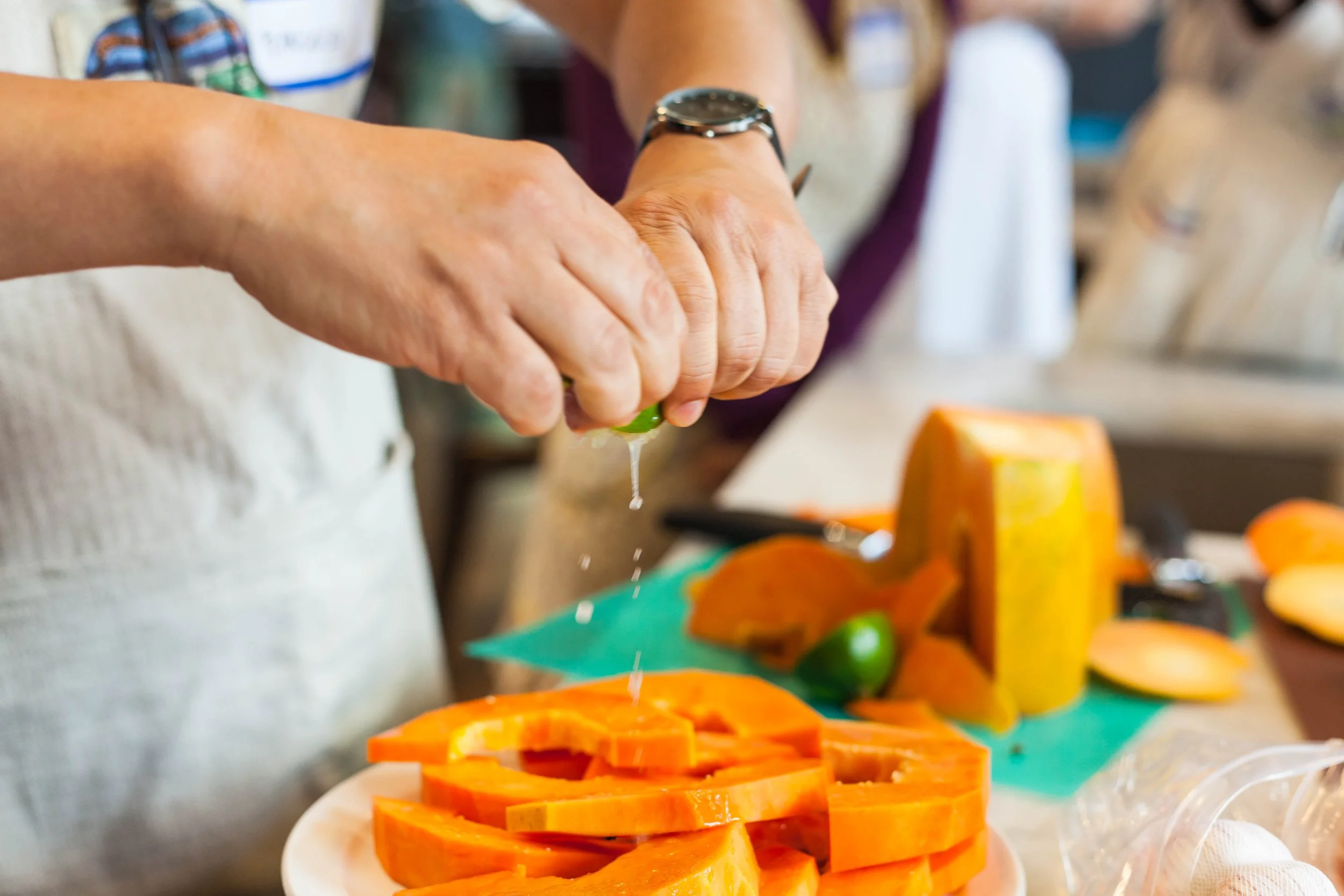
We're ready to love to cook, too. We begin the way most large groups of strangers do: fastidiously orbiting each other in wide arcs, painstakingly polite, quick to recoil against even the smallest and gentlest of collisions. Soon, though, the work consumes us. We stir, chop, and shape, learning the proper consistencies and textures of the batters, the right ratios of spices and herbs. Francisco is quick to gently correct even the slightest misstep in technique; he wants us all to walk away having learned correctly. Slowly, we relax into our tasks. Gradually, we establish a rhythm devoid of polite stiffness. The chatter in the room increases.
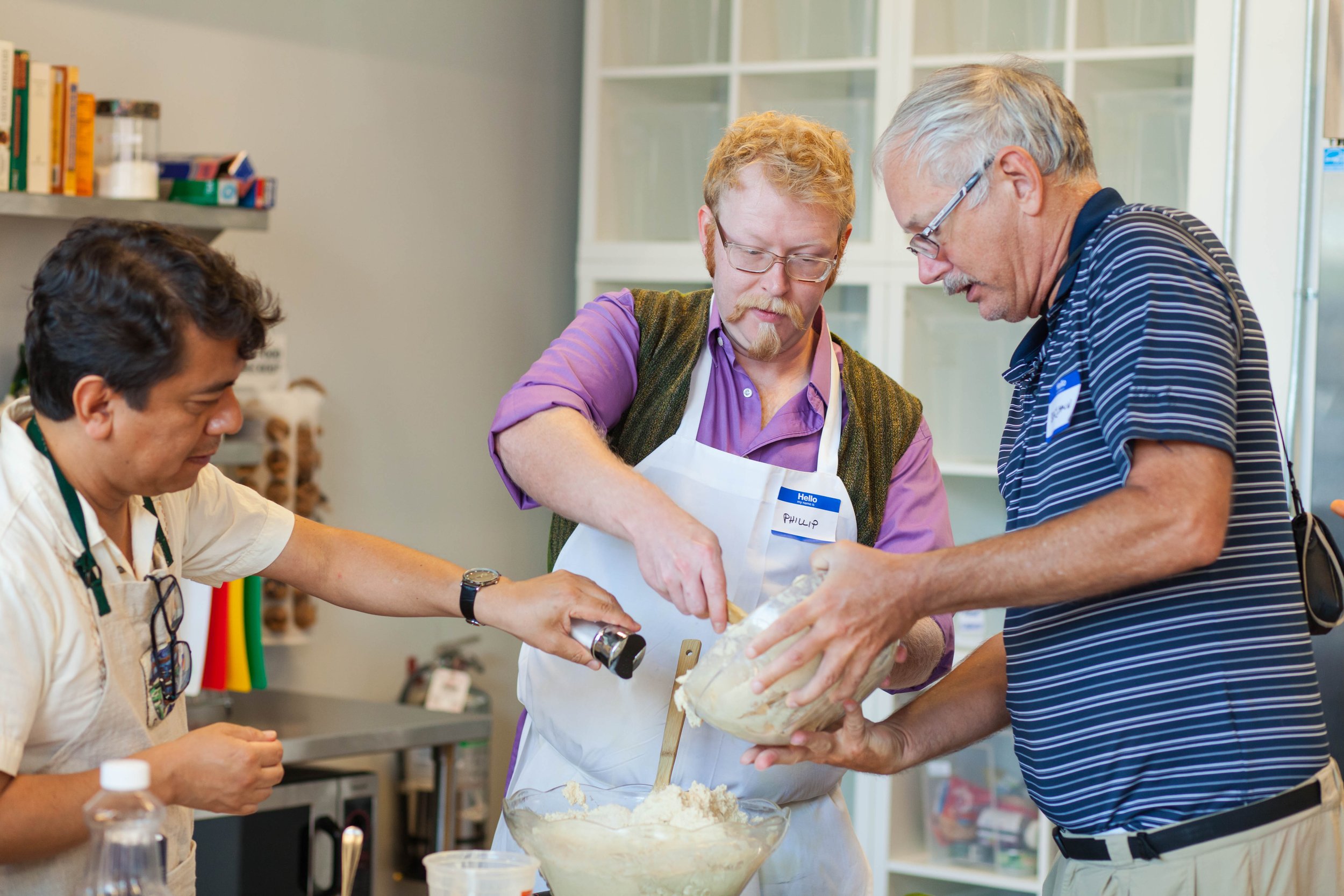
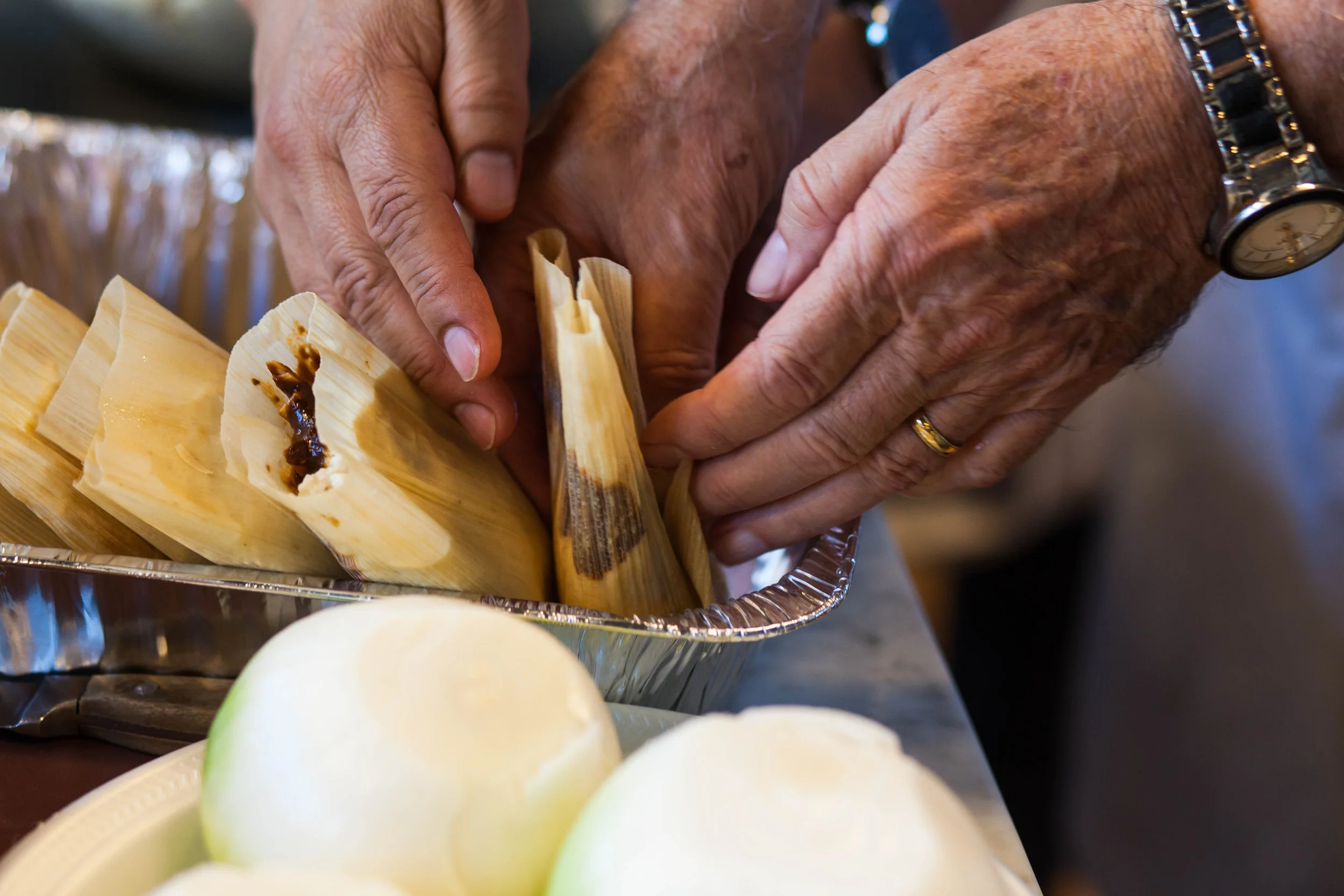
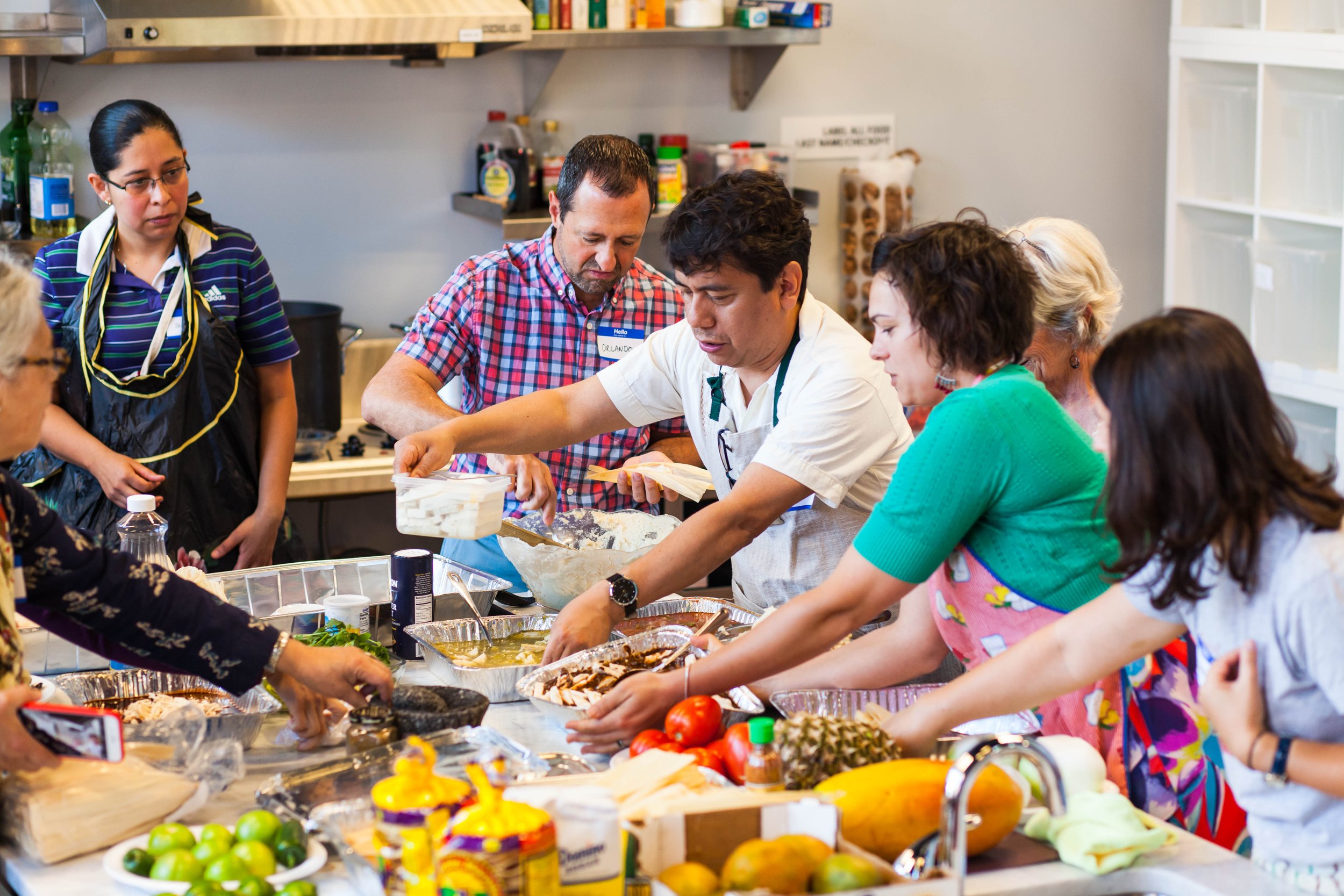
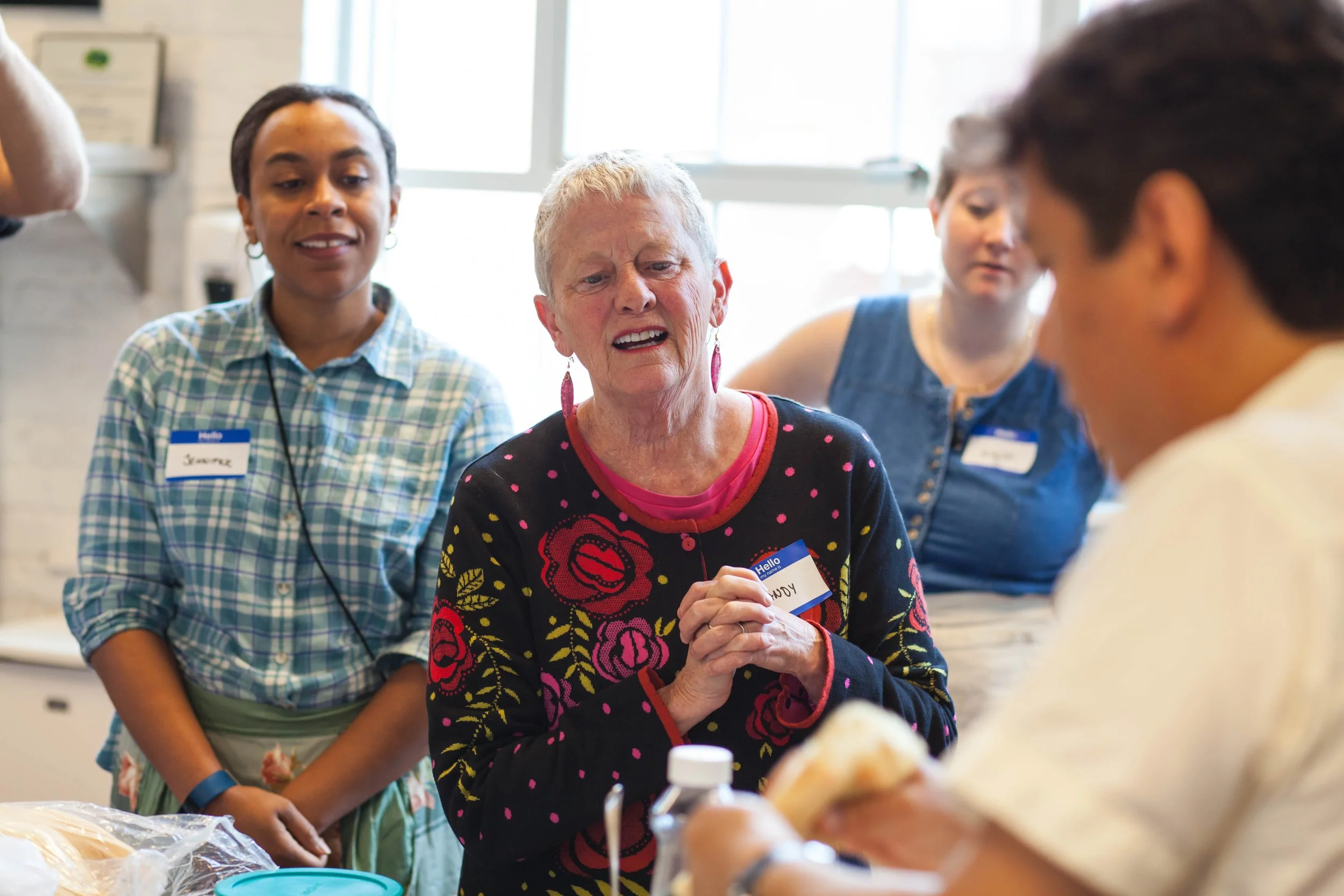
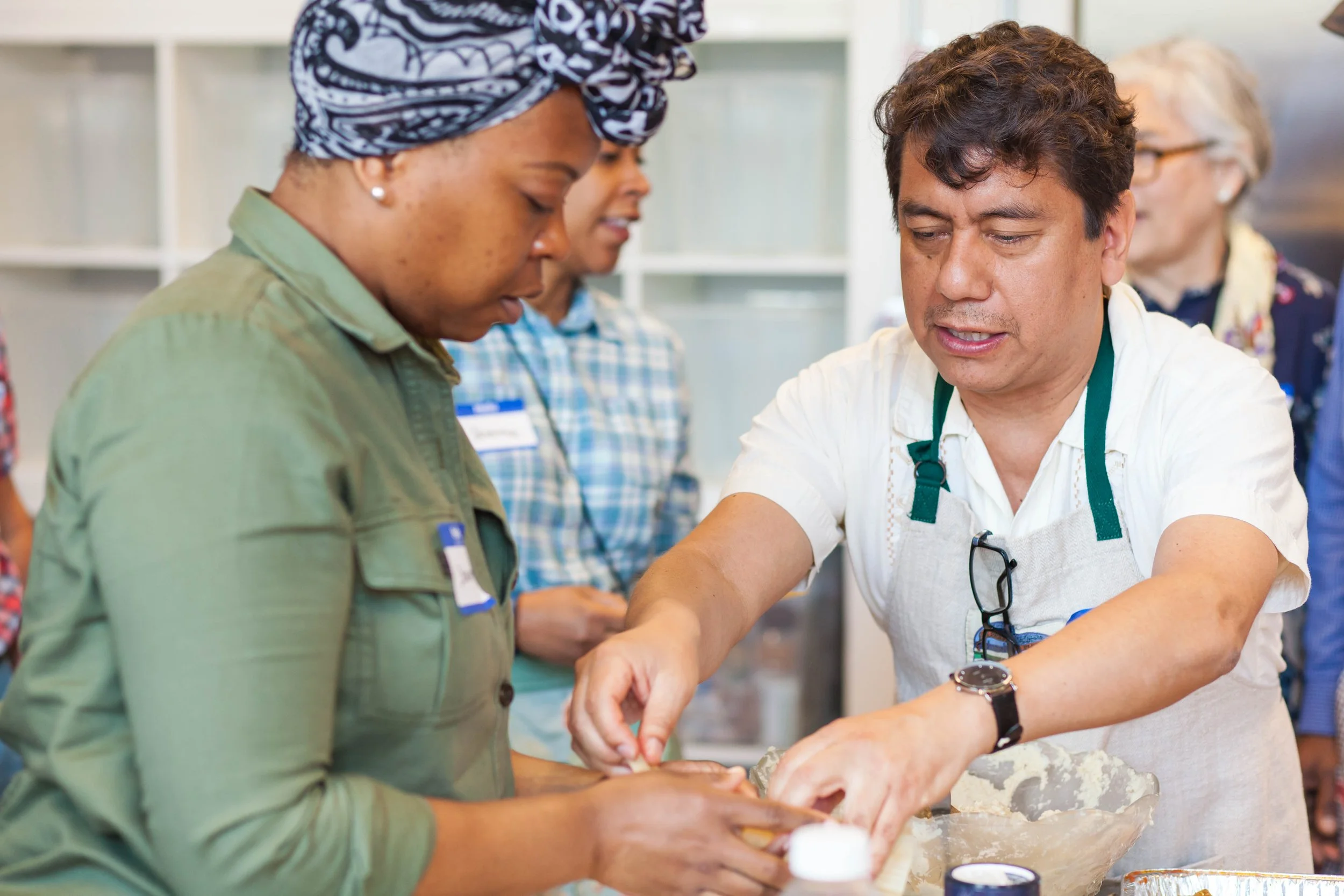
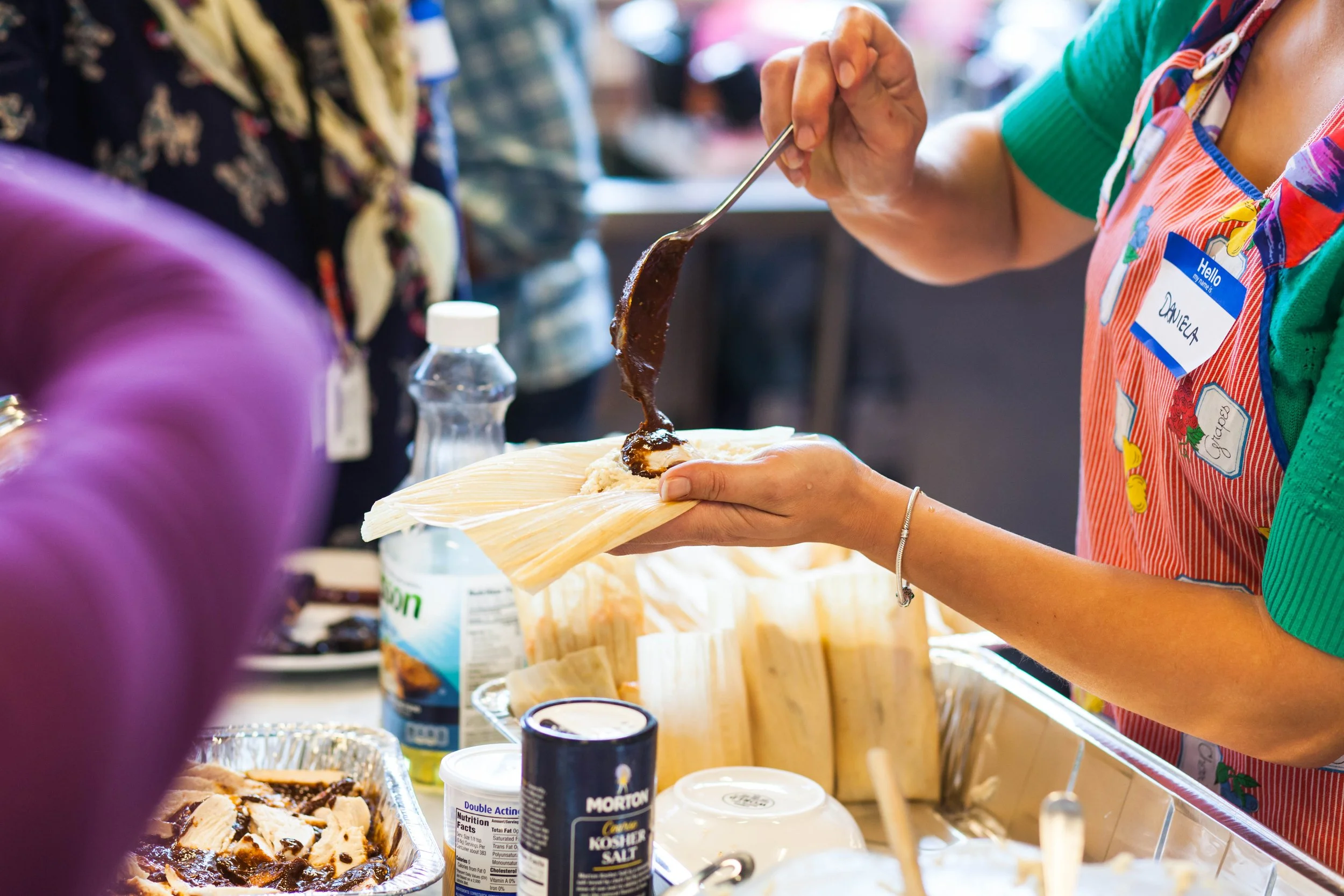
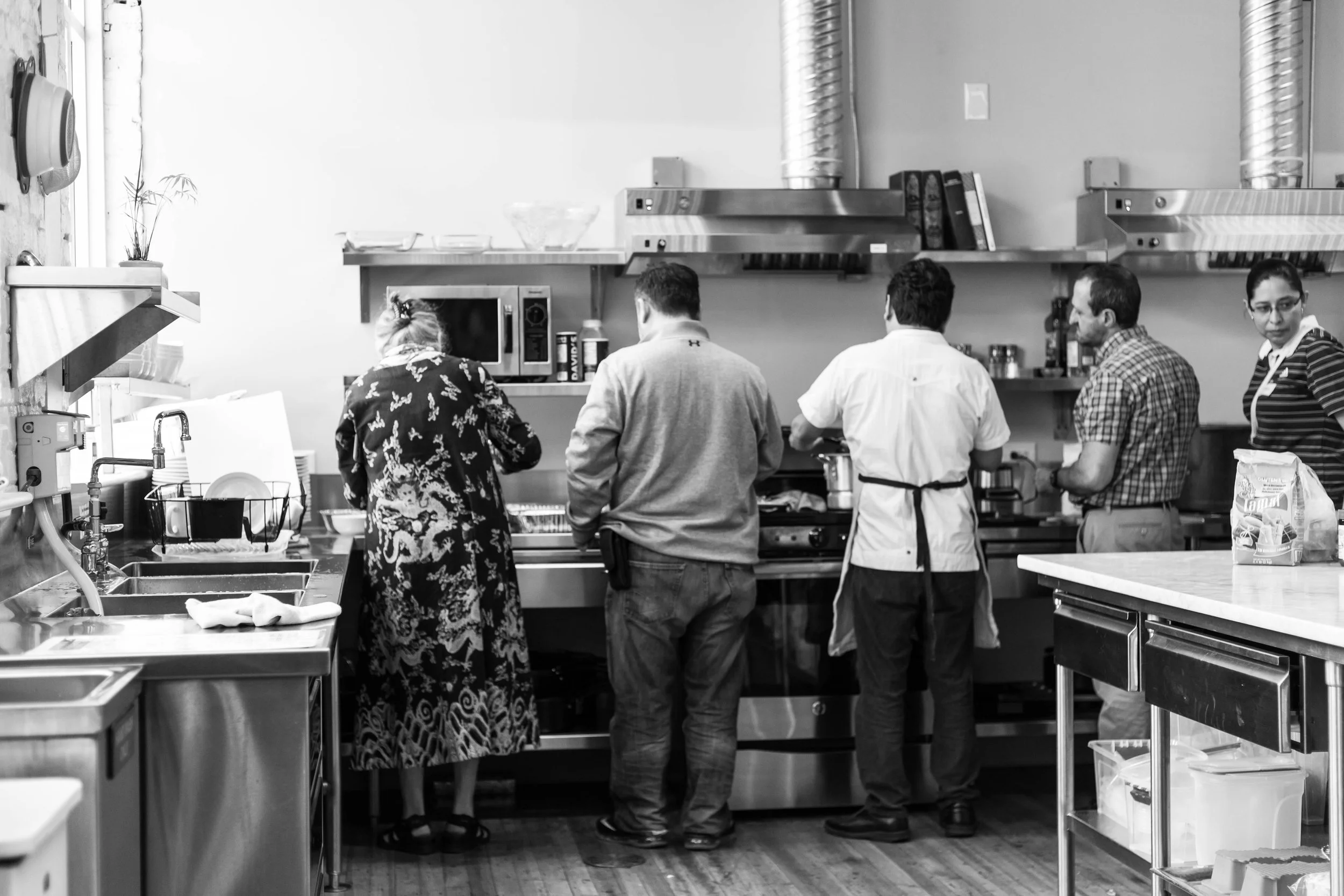
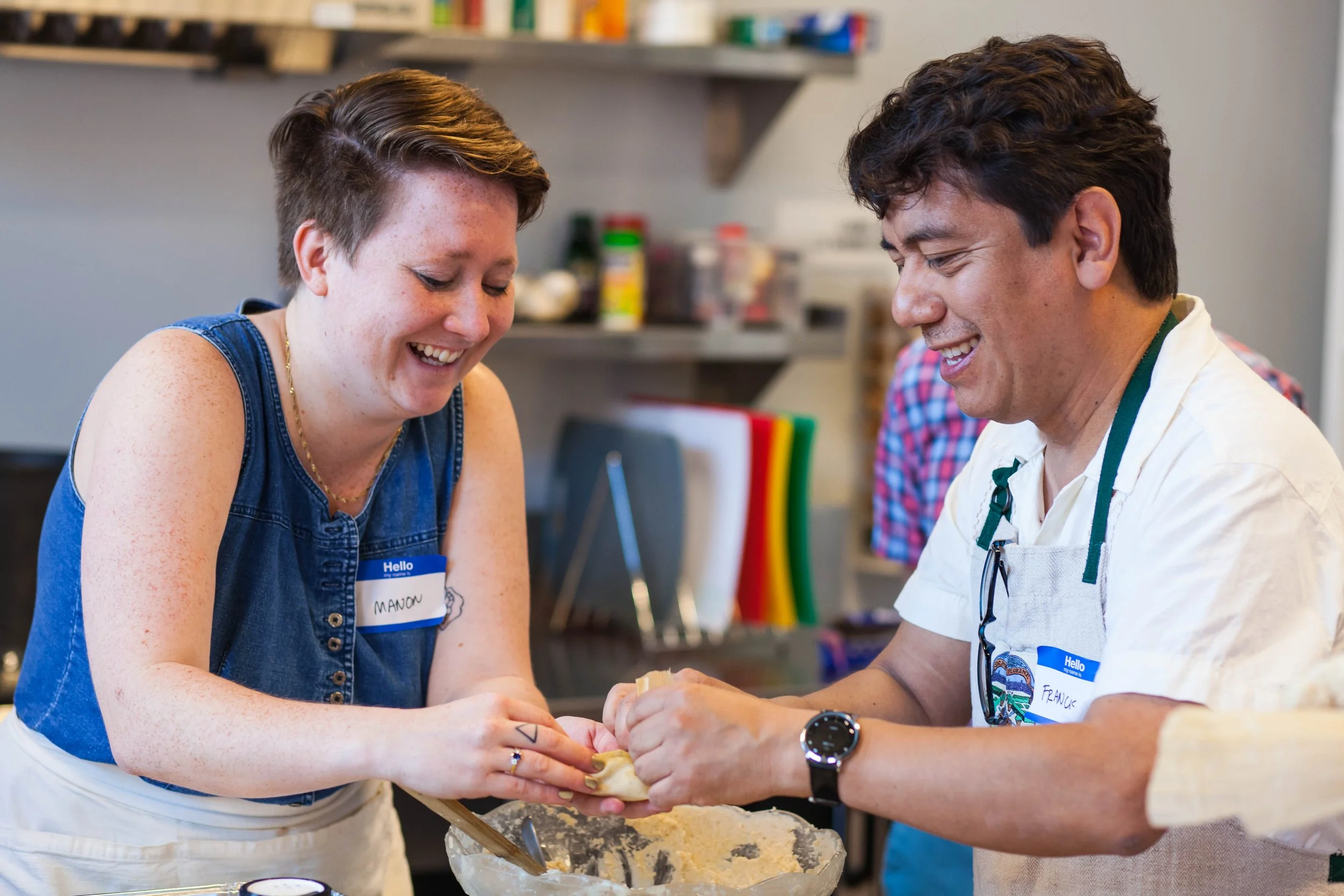
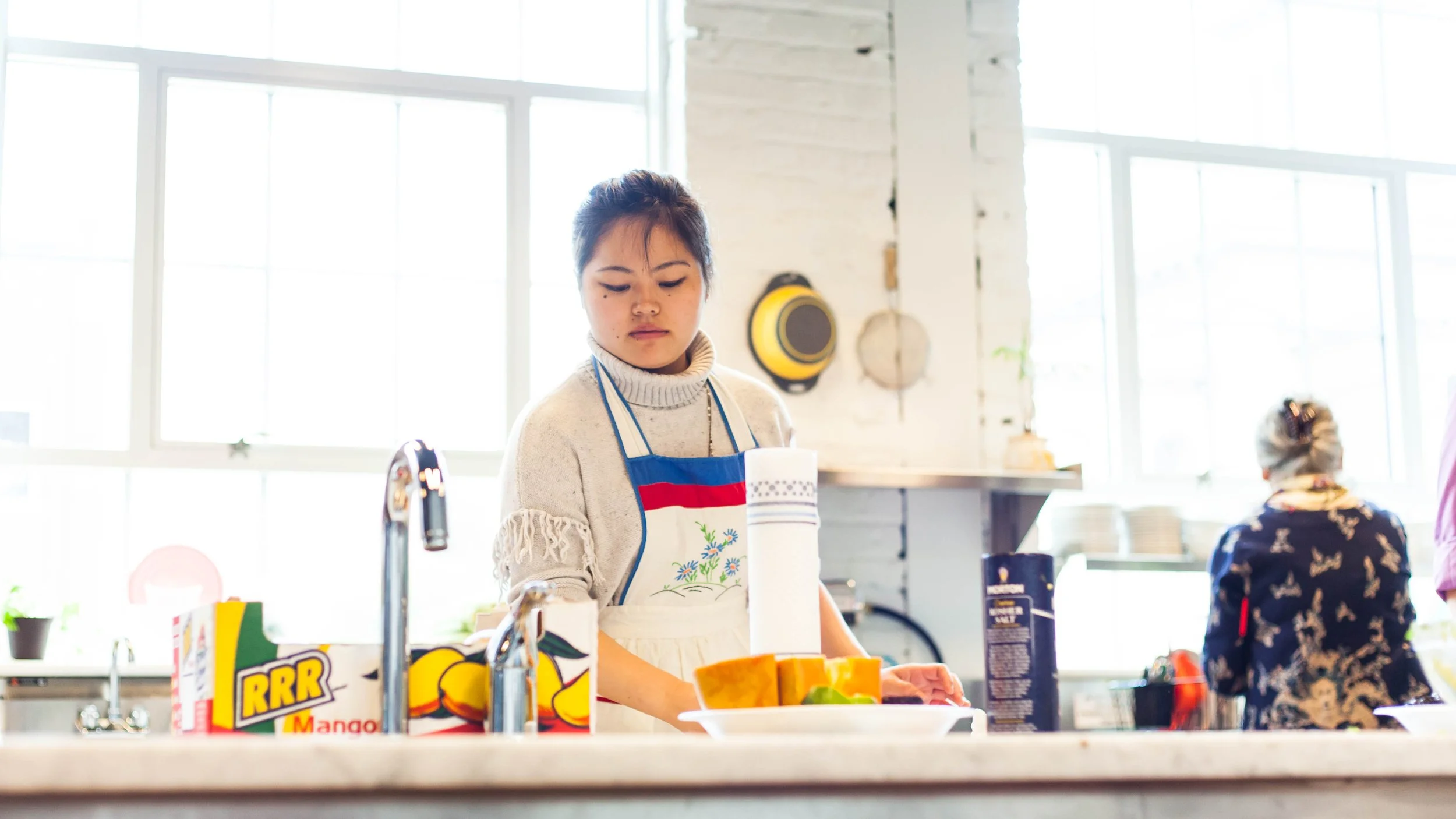
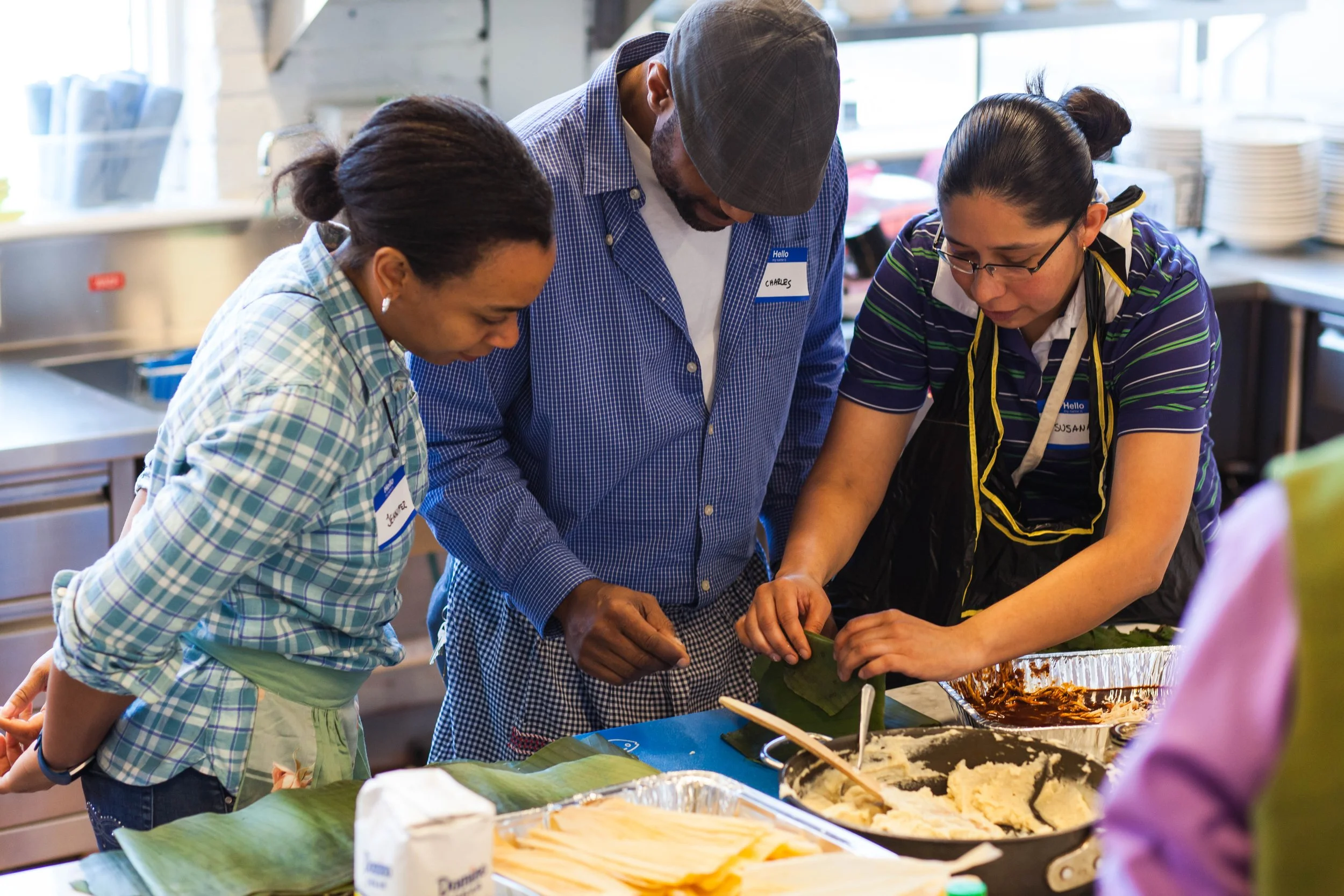
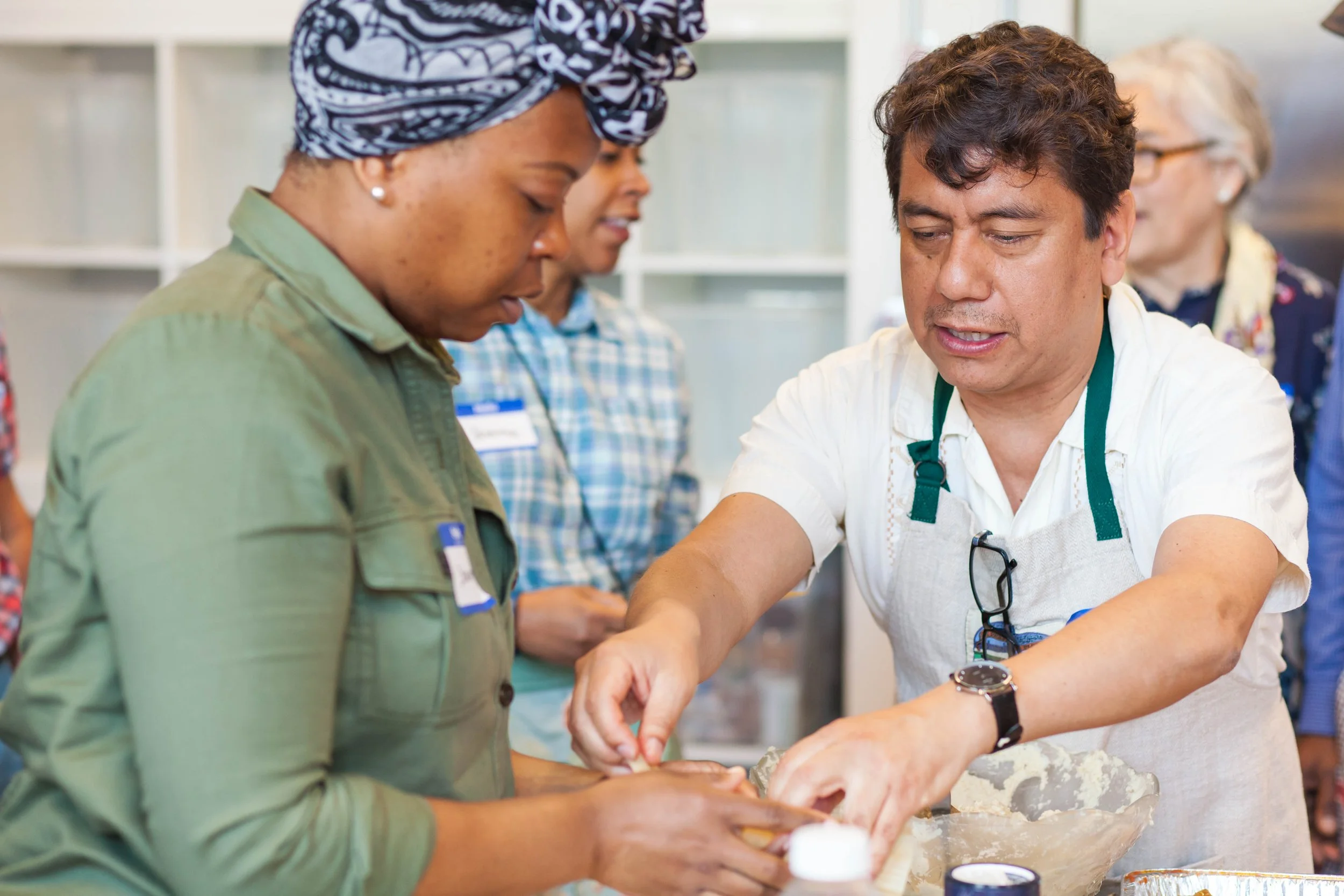
We spend three hours cooking, sampling, and observing, our itinerary seamlessly executed by an expert staff just as interested in making sure that everyone walks away culturally wiser as they are invested in ensuring everyone gets fed. By the end of the afternoon, our efforts yield a feast sufficient for our group of 20+, as well as a heap of leftovers.
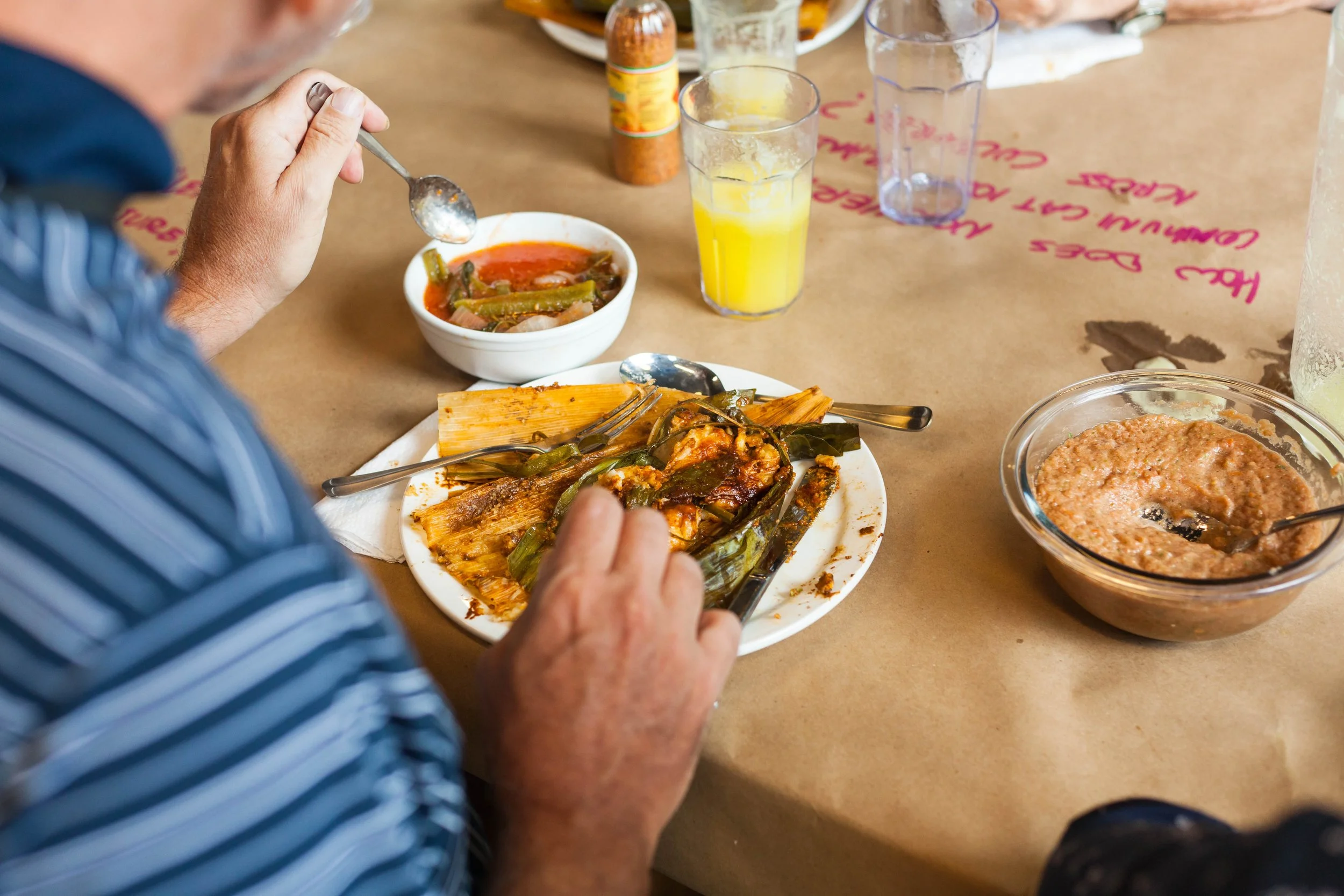
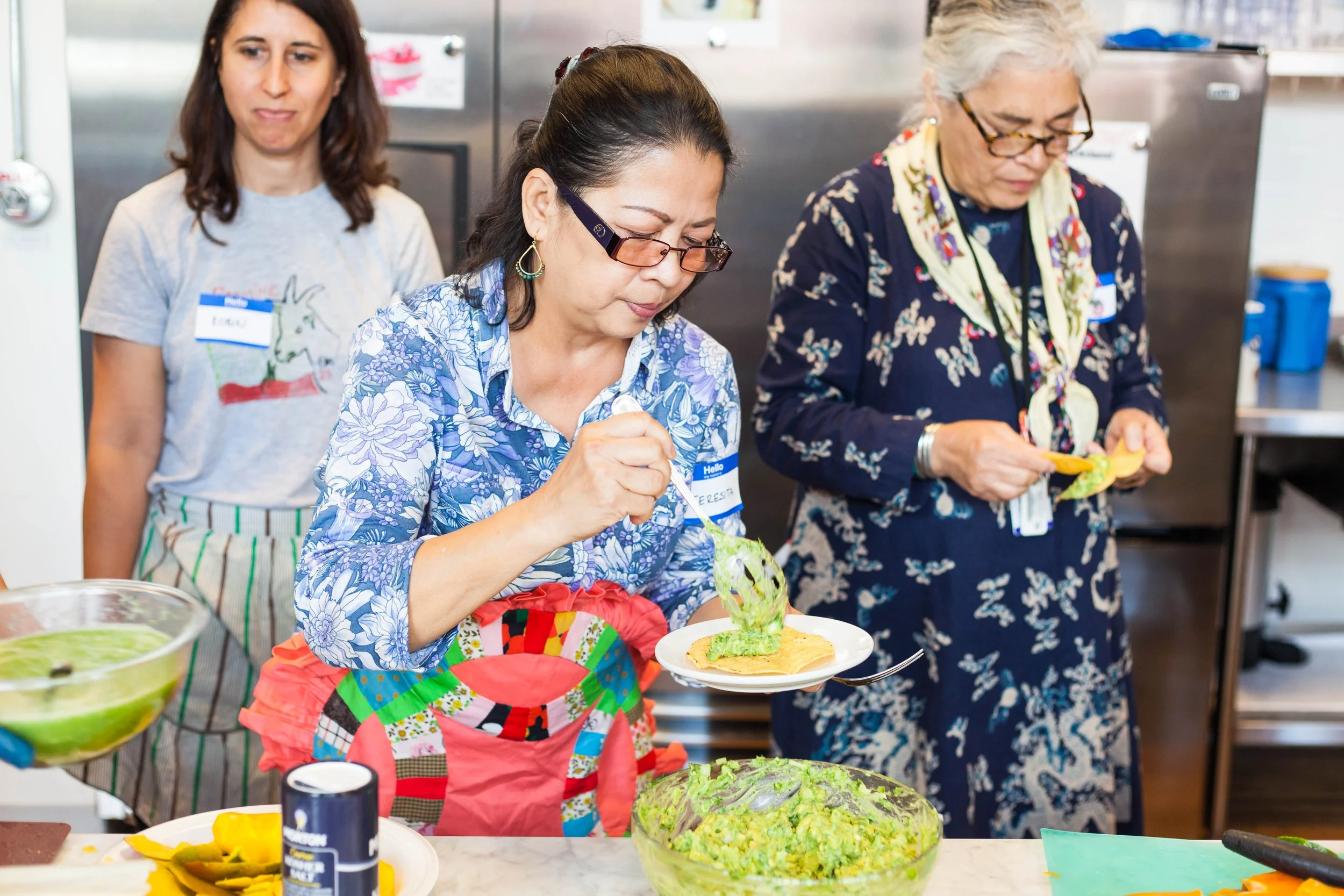
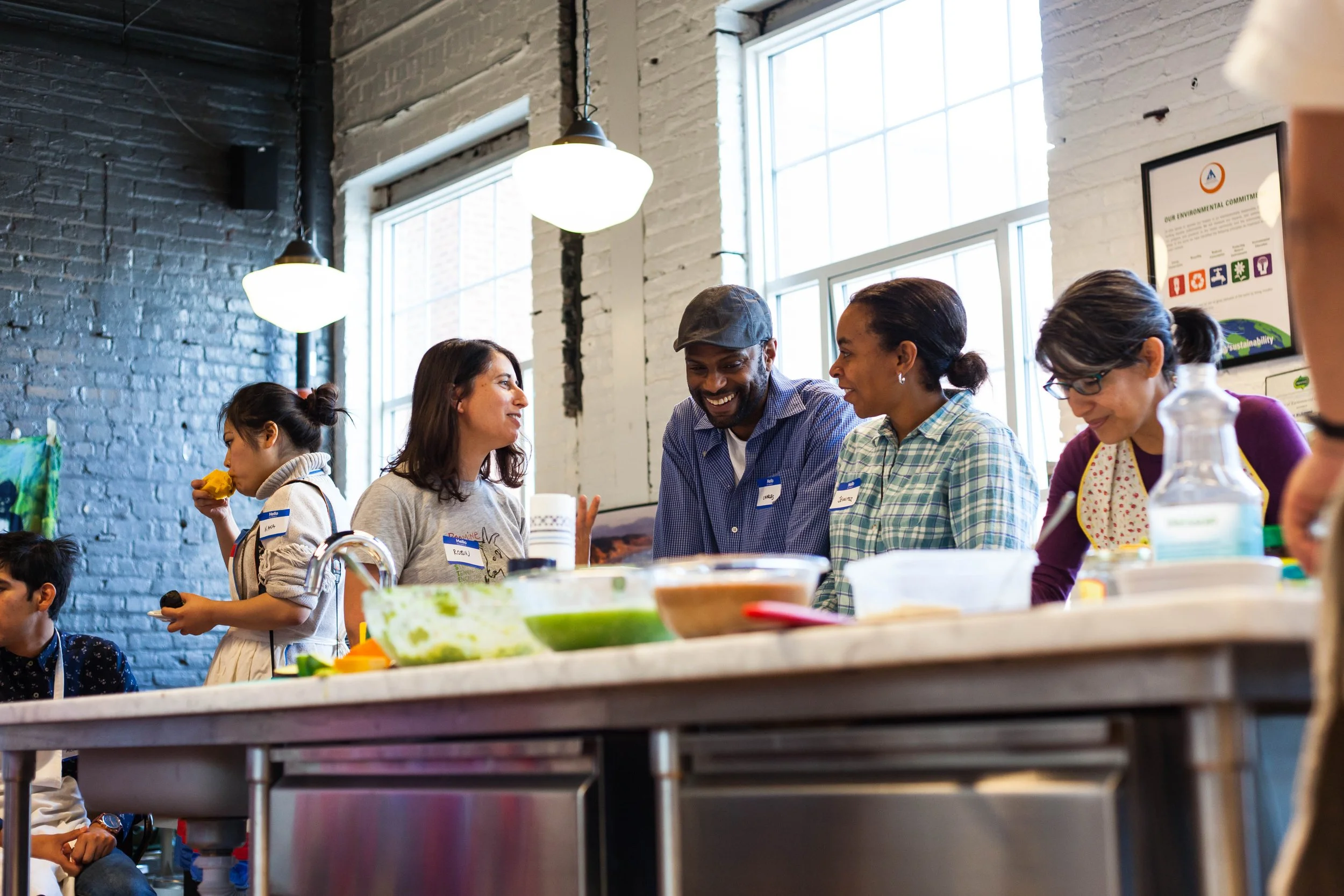
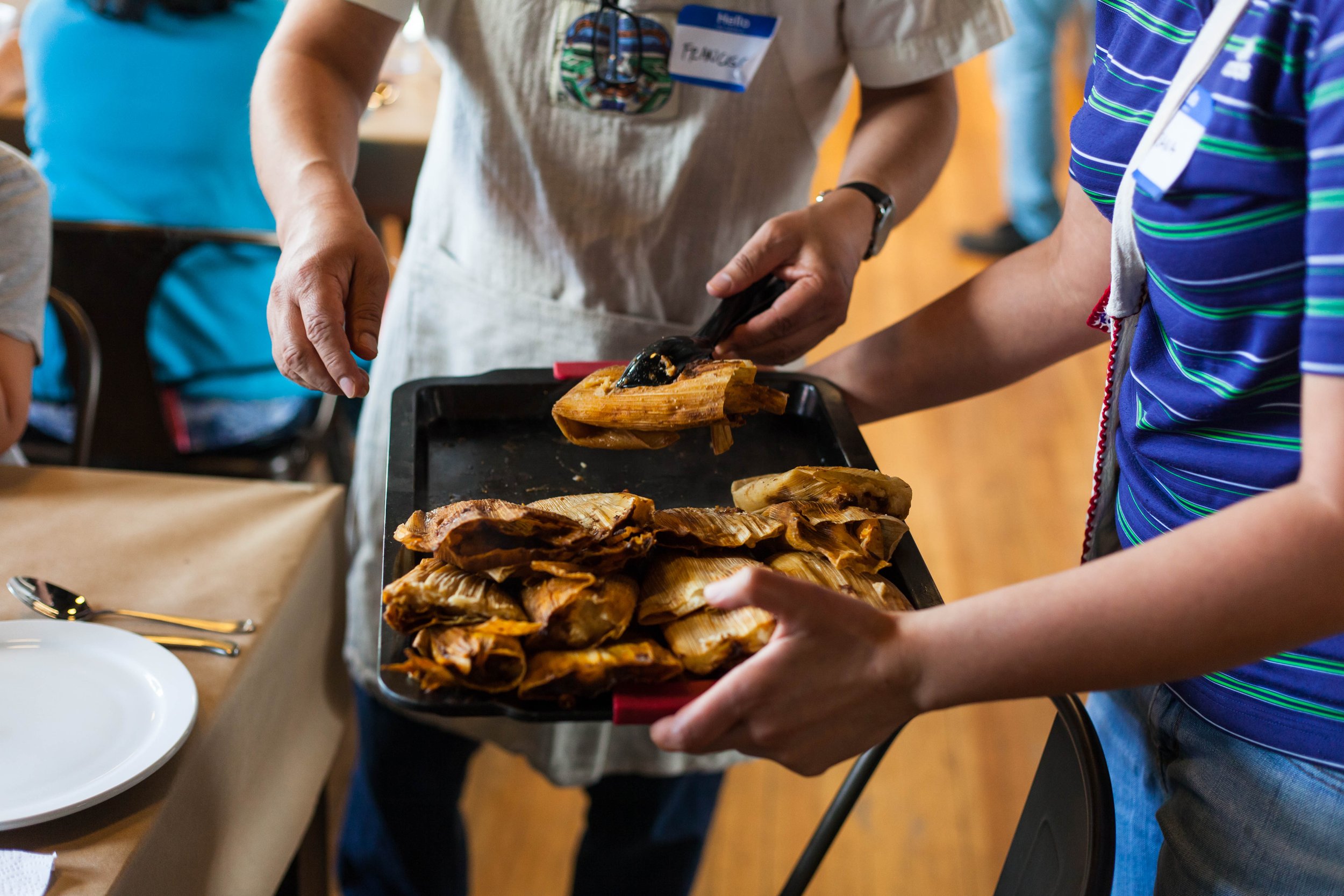
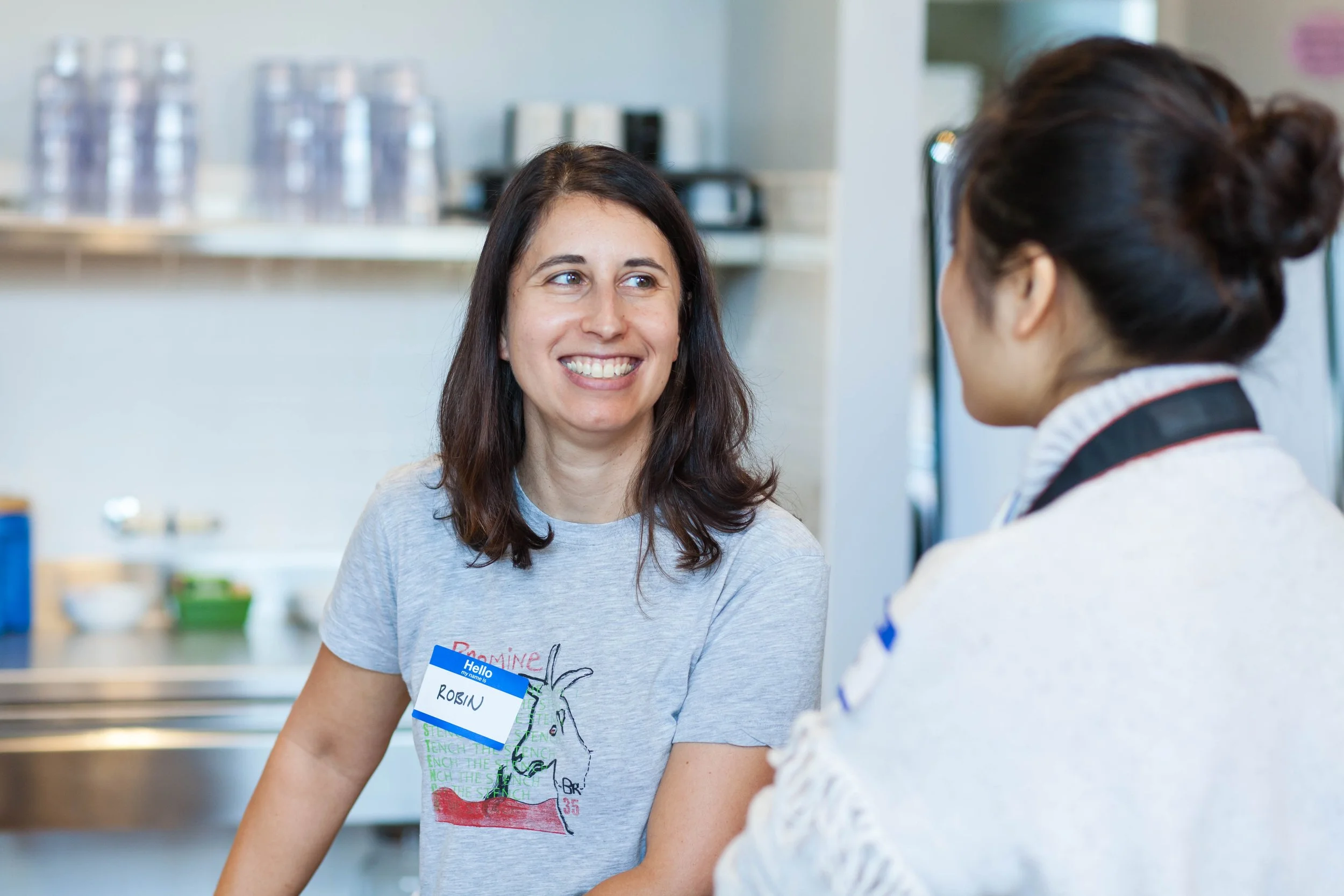
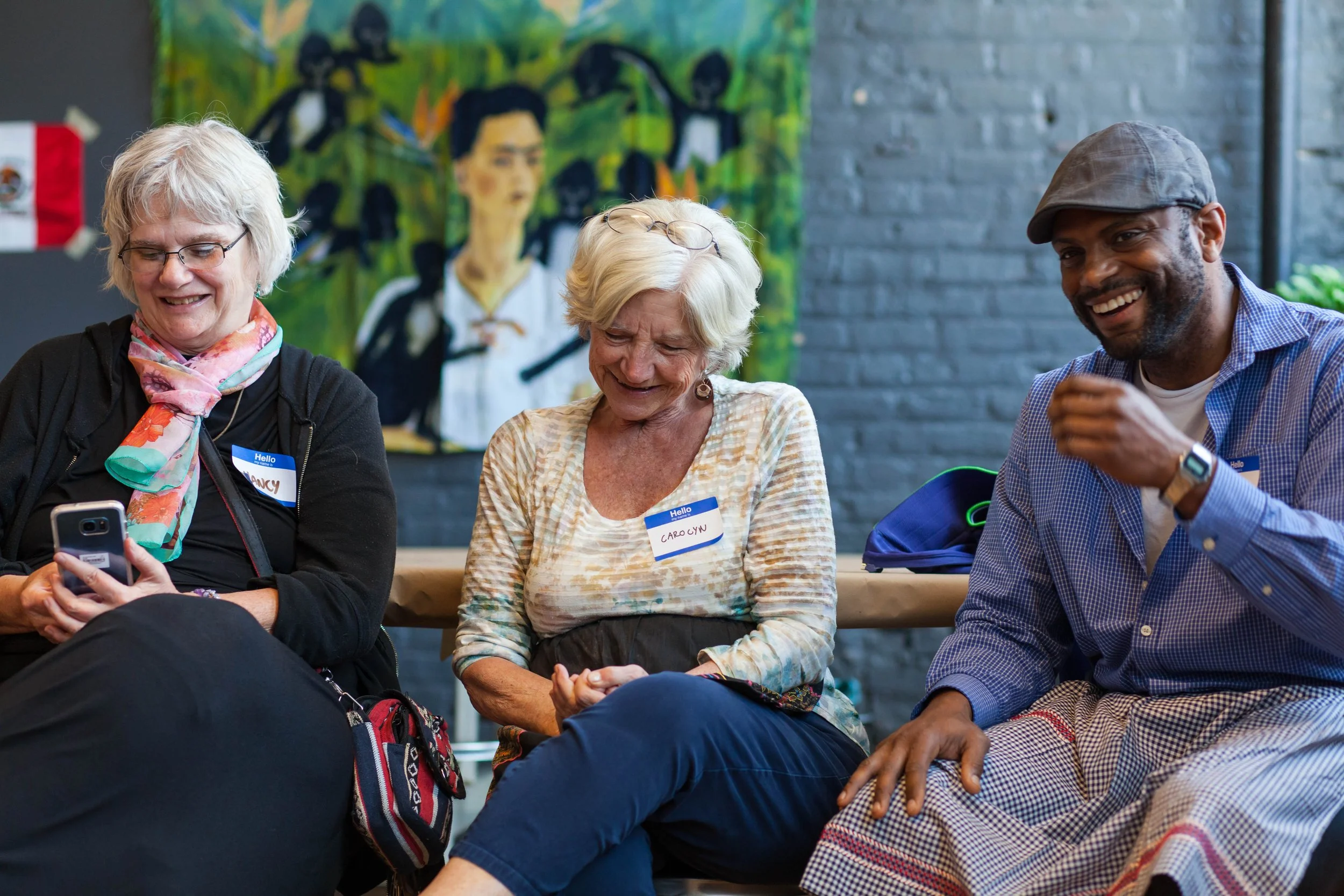
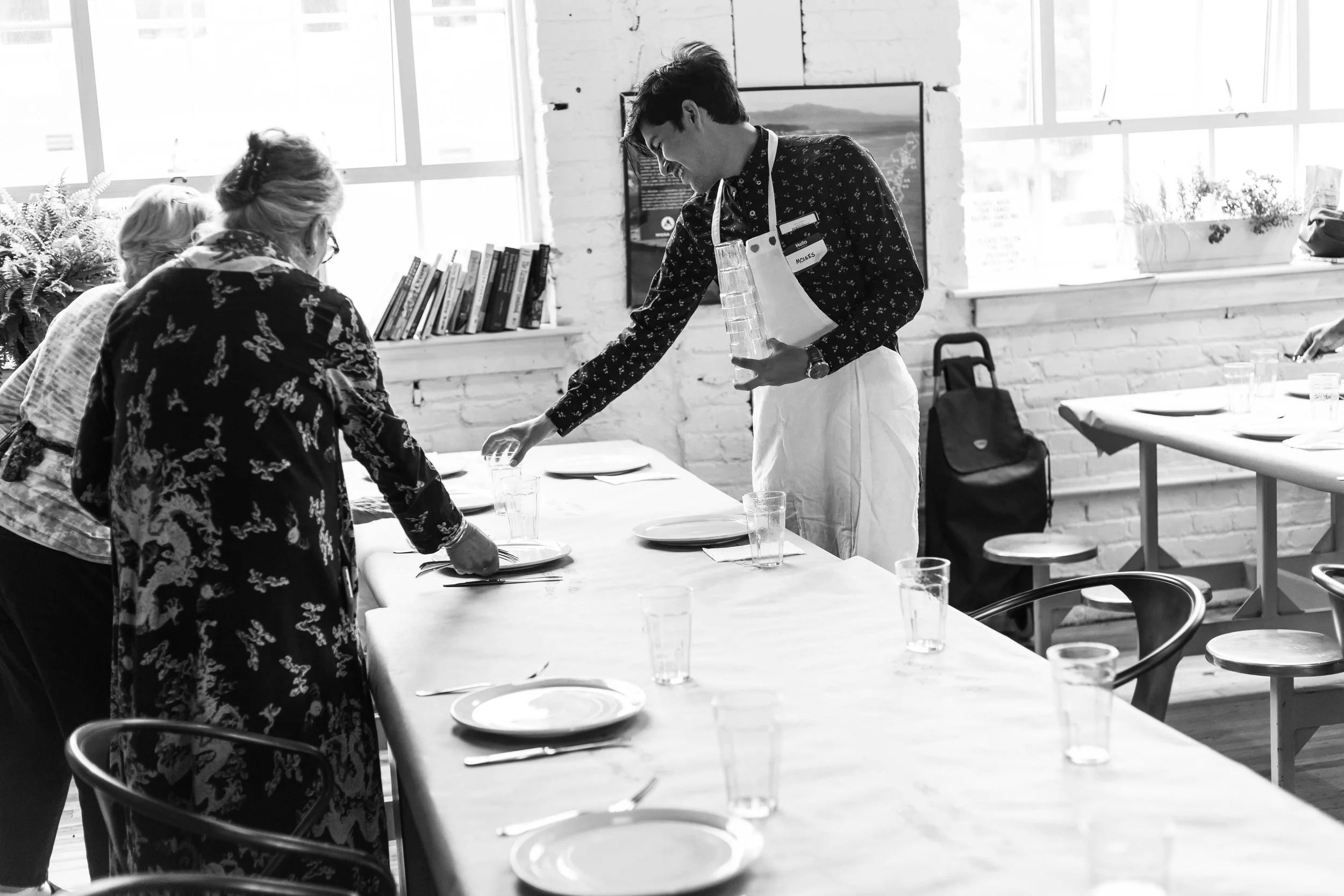
A quick post-meal survey of the room reveals that nearly everyone is sitting with someone who had previously been a total stranger, engaged in conversation as if they've been friends for years. One of the more senior members of our group practices his Spanish with Francisco's teenage son; a group of ladies ranging from their early twenties into their upper 60's chats and laughs easily at the end of one of the long tables.
When it's time to leave, we all do so reluctantly. It’s increasingly rare to encounter the magic of spontaneous community. Producing that particular alchemy requires a bit of a devil-may-care approach to the moment.
A recipe, for the curious: willingly step into a communal space. Forego your own protective walls. Trust that the people you encounter when you do will prove to you anew that the world is worth stepping into.